Meet Chris Bongorno, TDM Practice Lead

Transportation Demand Management (TDM) is a broad, evolving field focused on making travel options convenient, accessible, and affordable. At its core, TDM is about listening to people and understanding the choices behind how they get around. To support the continued growth of our TDM practice, we’re excited to welcome Chris Bongorno as Toole Design’s new TDM Practice Lead, based in our Columbus office. Chris was doing this work long before he knew it was called TDM, honing a deep understanding of the complex factors that go into the deceptively simple question: can everyone get where they need to go?

Read on to learn more about Chris’s background and his approach to successful TDM planning.

How did you find your way to TDM?

My high school commute included a train ride through multiple Cleveland neighborhoods, and I’d look out the window wondering why everything changed dramatically from one stop to the next: the buildings, the businesses, who was getting on and off the train. I didn’t know at the time that there was a profession that asked those questions and aimed to improve community outcomes around housing, transportation, economics, and more. In college, a friend showed me the syllabus for an urban planning class, and I immediately knew that was what I wanted to pursue. Later, while working with a community development corporation to encourage development around transit stations and increase ridership, someone said, “Hey, that’s TDM.” I had been doing it for years without knowing it had a name.

What do you enjoy most about TDM consulting?

I love when I get to add value and capacity to organizations with a mission. For example, I worked with MobiliSE in southeastern Wisconsin as they piloted a shuttle service between work, home, and childcare centers. This was outside their usual role as an advocacy organization, and I helped them navigate that new challenge so their staff could stay focused on their core mission.

No matter the client, the goal is the same: to help people understand their travel options and make the most efficient options easier to choose.

What makes a good TDM plan?

No matter the client, the goal is the same: to help people understand their travel options and make the most efficient options easier to choose. Cost and incentives are always part of the equation, as is service. Is transit actually attractive? Does it run when people need it to? Sometimes that’s something we can influence, and sometimes it isn’t. One of the most useful levers is parking. If parking is free and abundant, more people are going to drive. If it is priced appropriately, travelers are more likely to consider alternatives. Then there are slightly more complex factors like bicycle infrastructure or zoning codes. Changes in these areas don’t happen overnight, but a good plan that includes elements of policy, programming, and capital investment will set you in the right direction.

Finally, outlining strategies alone is not enough. I always include a clear work plan for how to roll everything out over time: how to prioritizethe budget and staff you need, supporting partners, and how to track it all to make sure the results are on target.

How has TDM evolved, and what’s next?

In recent years, TDM has expanded well beyond the traditional 9-to-5 commuter. Today it’s about mobility more broadly: supporting third-shift and distribution center workers, Safe Routes to School, accessibility for seniors and people with disabilities, and filling gaps in rural and fixed-route networks. The pilot projects we’re doing with Atlanta Regional Commission are a good example of where TDM is headed. We’re using familiar tools like employee incentives but testing out new platforms, and we’re also piloting school- and neighborhood-specific programs.

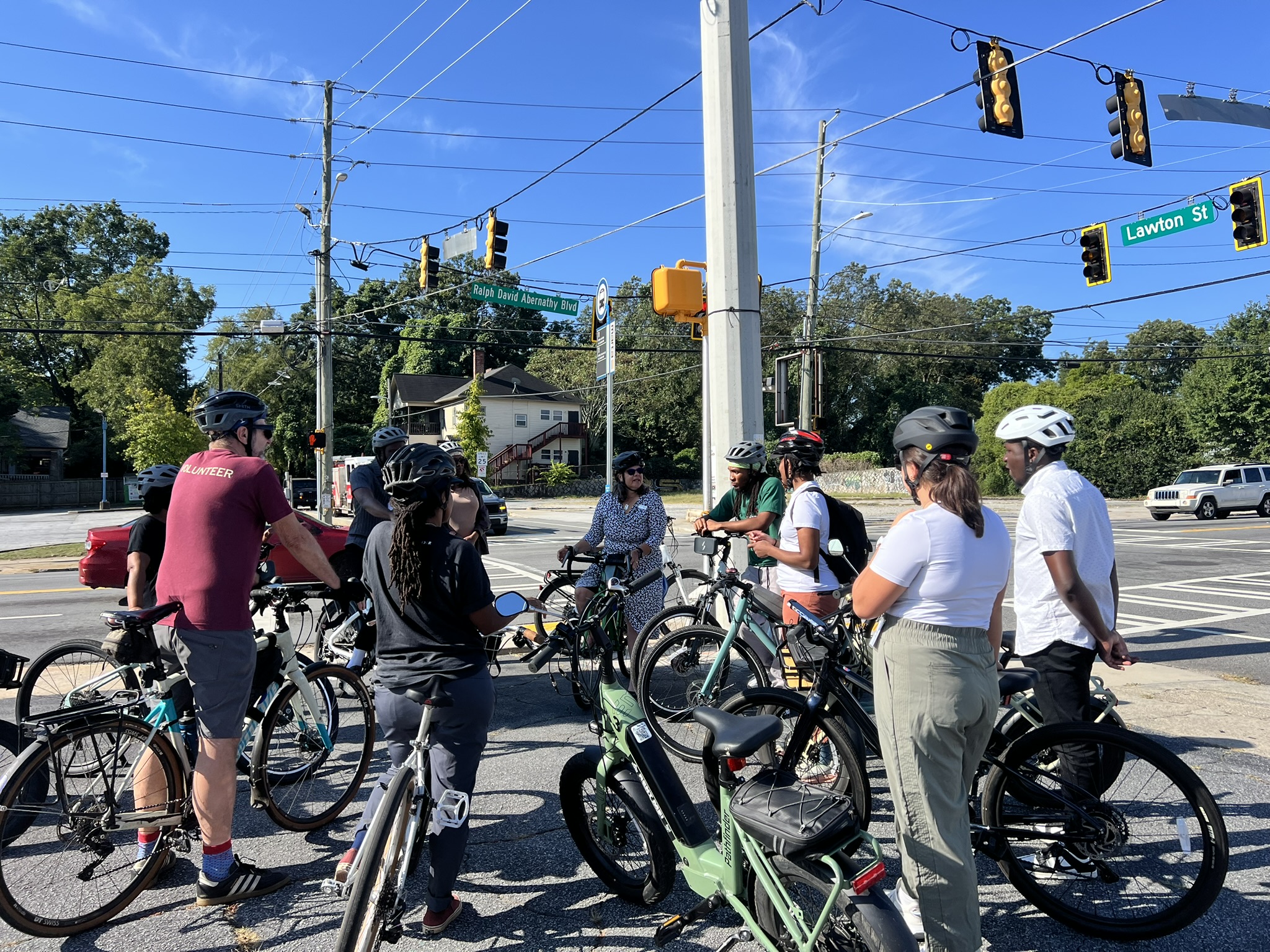
Local transportation ambassadors learn how to support new multimodal commuters as part of the ARC TDM pilot program

What’s next for TDM at Toole Design?

I’m excited to keep the TDM momentum going here. The firm is already known for strong multimodal infrastructure, and TDM naturally builds on that work. If the infrastructure isn’t safe or functional, your TDM strategies won’t succeed. By layering TDM’s communications, service, and programming strategies on top of the capital projects we deliver, we’re offering clients a more complete suite of transportation expertise.

What’s your favorite way to get around?

Bicycle. On a bike, if I want to stop and take a picture, I can just stop. I’m moving faster than walking, but still close enough to really experience a place at street level.

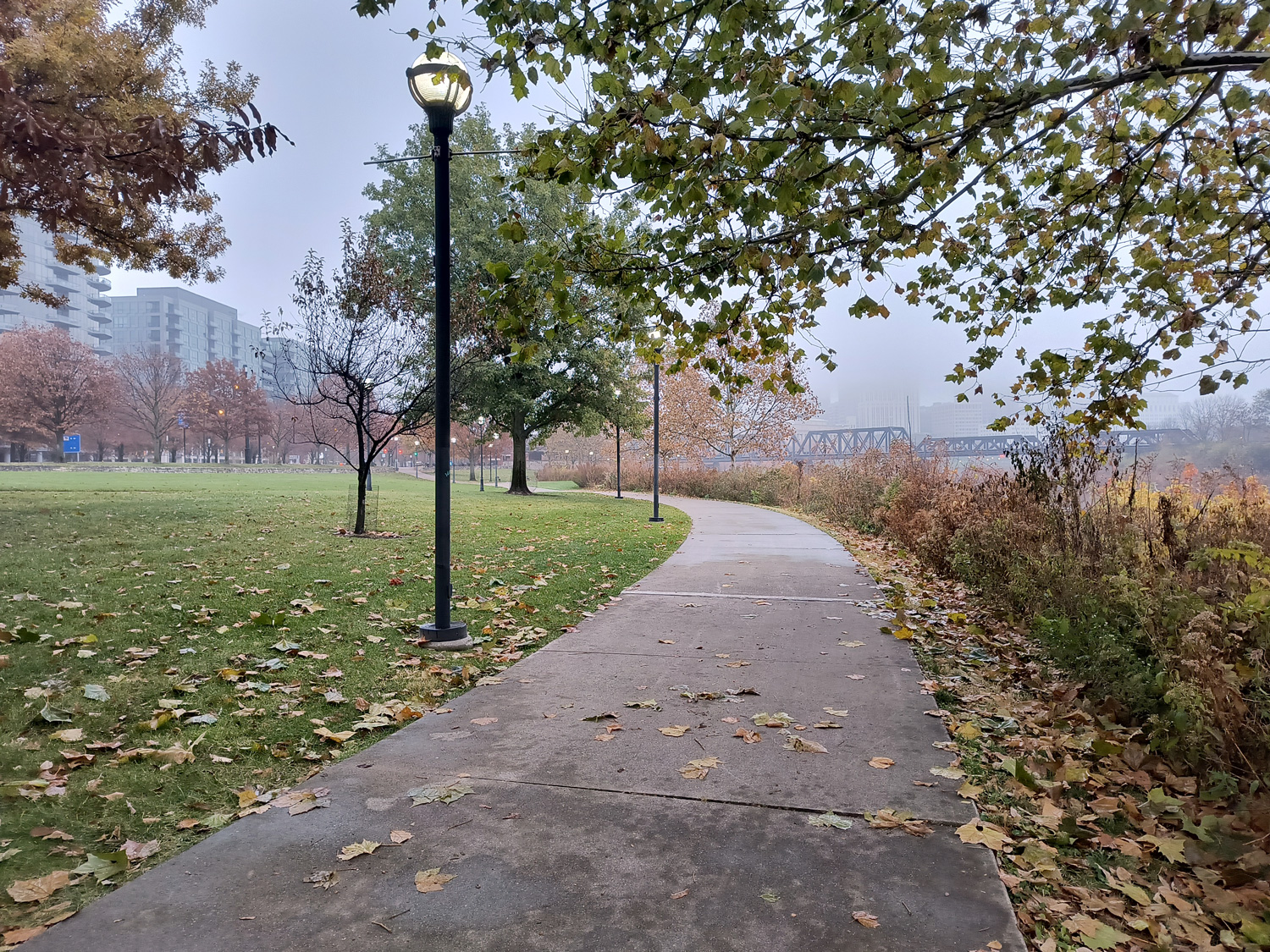
A scenic stretch of Chris’s work commute along the Scioto River Trail
Chris co-leads a bike bus in Yellow Springs, OH

What brings you hope for the future of transportation?

I live in a small town where biking and walking should be easy, but there are still barriers. A few years ago, an elementary school PE teacher started a weekly bike bus, and I got to lead one of the routes. It was supposed to end at Halloween this year, but the kids kept it going through Thanksgiving. On a typical Wednesday, we had 20% of students biking to school! To me, that shows what’s possible when you have strong leadership, engaged volunteers, and safe streets.

See All Articles