
A safety action plan is supposed to set in motion the necessary changes for achieving zero fatalities and serious injuries. While it is often a required document to be eligible for safety funding, it is much more than a box-checking formality. In the process of writing over 100 safety action plans for local communities, reviewing the work of hundreds more, and frequently providing design and implementation support after plan adoption, we have learned a few things about what sets a strong safety action plan apart.
Below are the top 5 lessons we have learned from creating safety action plans that are helping communities transition to a Safe System Approach and make meaningful safety impacts on their roads.
1. Change the status quo, not just the streets.
Shifting to a Safe System Approach is not easy. It requires moving from reactive to proactive actions, from an individual behavior focus to a population–level focus, and from traditional safety silos to cross-agency collaboration. Progress depends less on the plan itself and more on building institutional commitment to systems safety, collaboration, public and political buy-in, and making difficult tradeoffs that prioritize safety above all.
LESSON IN ACTION: ALbuquerque, NM
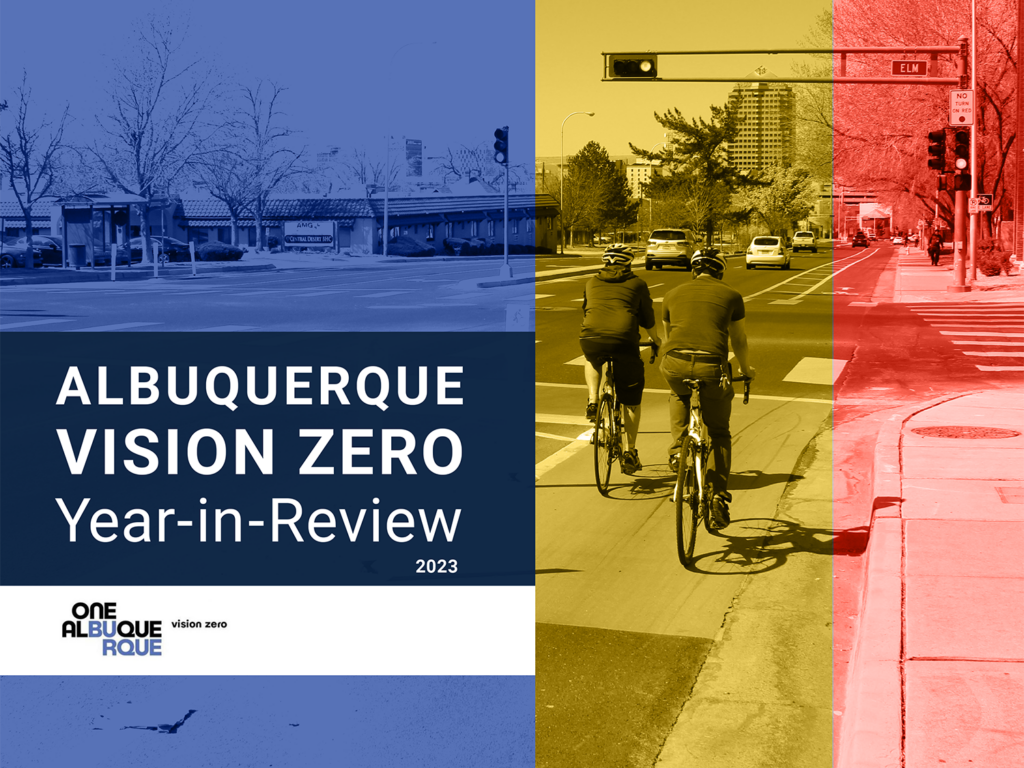
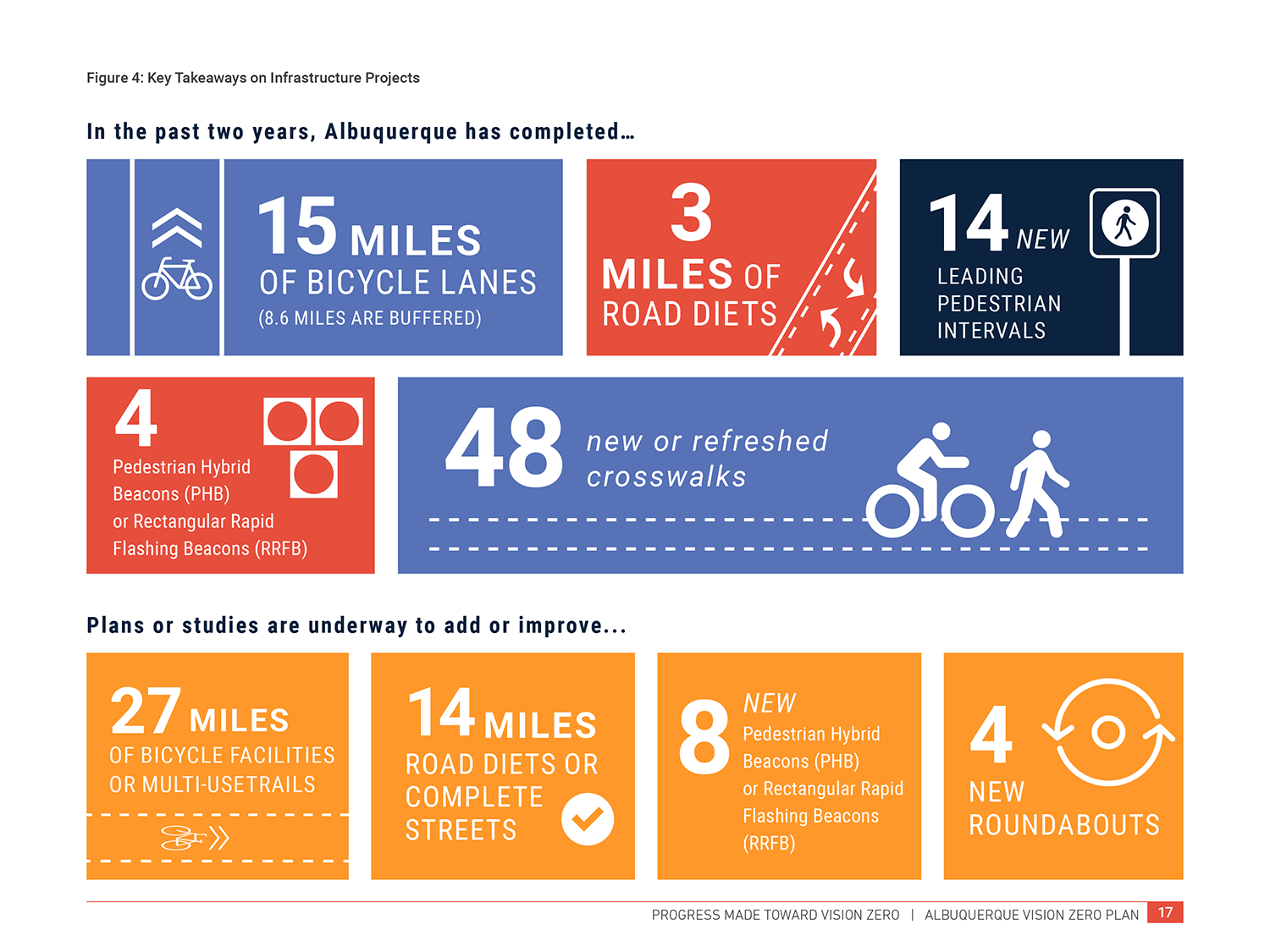
We worked with the City of Albuquerque to complete a Year–in–Review/Action Plan update, which included reflections on what was working well and what remained challenging. This reflection and transparency about their progress is a significant change in agency culture and demonstrates how they are learning and adapting as they pivot toward the Safe System Approach.
2. Customize the plan for your community.
A safety action plan should never be built from a template. It should contain strategies that reflect the community’s unique safety challenges, capacity to impact change across multiple agencies, and political support for that change to happen. Having this level of customization is necessary to create a meaningful path forward for a community, including actionable and achievable steps that make a real impact on safety.
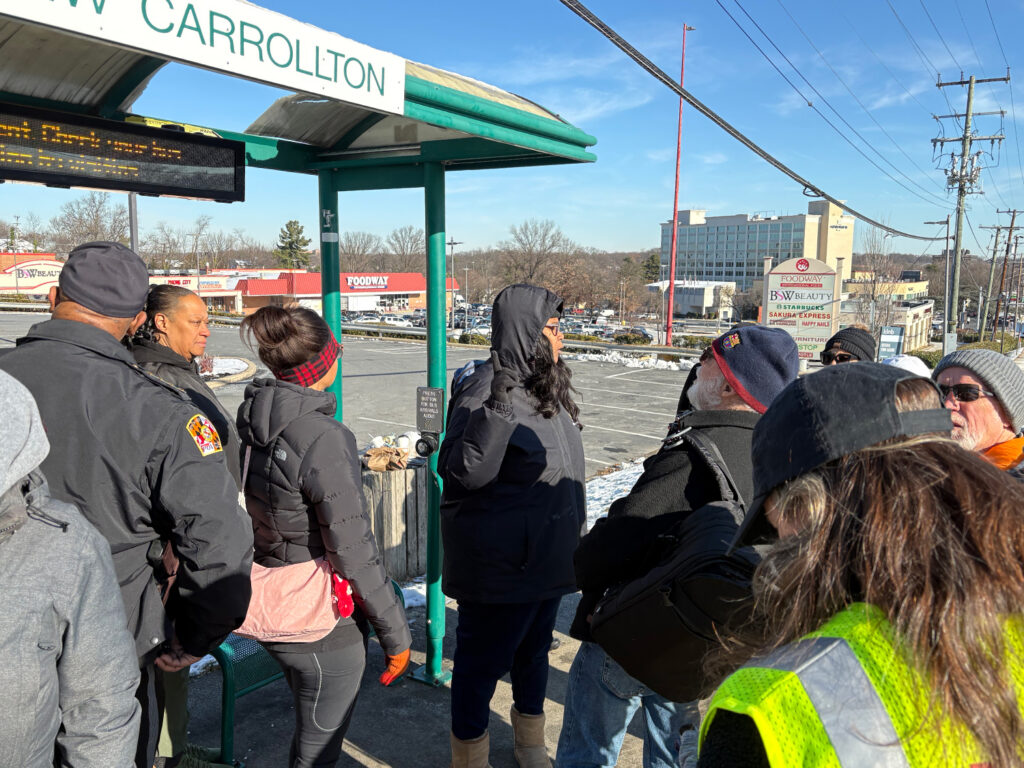
LESSON IN ACTION: New CarrolLton, MD
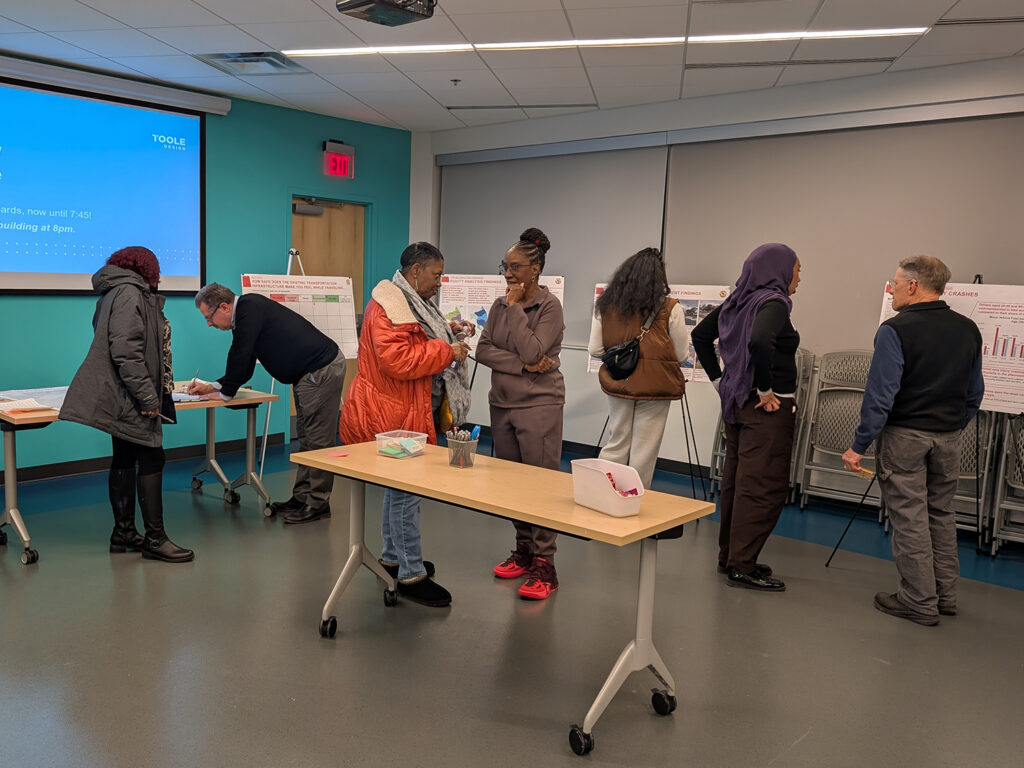
The Safety Action Plan we developed with the City of New Carrollton is organized around five key themes: tame the big roads, connect the city, ensure safe school travel, connect to the region, and enhance safety citywide. These themes emerged during the data analysis and community feedback phases of plan development, and they then shaped the plan structure to better tell the safety story and chart a path forward for the community.
3. Don’t let perfect be the enemy of good.
Often, communities want to hold out on roadway updates until they can include all the ideal ingredients for a safe and complete street. This leads to very expensive projects at a limited number of locations. Taking an incremental approach instead has three primary benefits: a) making safety impacts more quickly, b) implementing change in a more systemic and proactive way, and c) learning lessons and building community support as you progress.
LESSON IN ACTION: Waco, TX
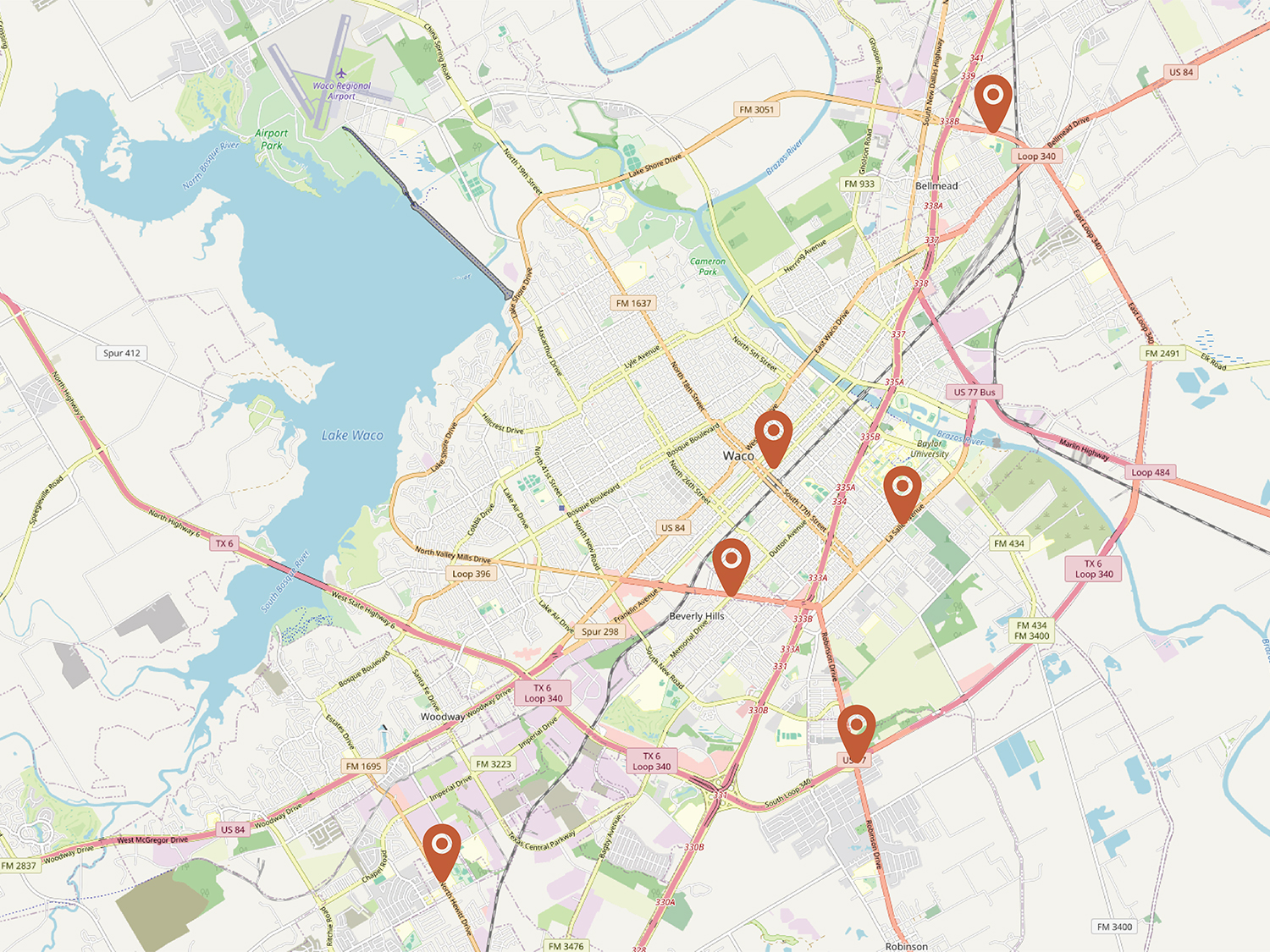
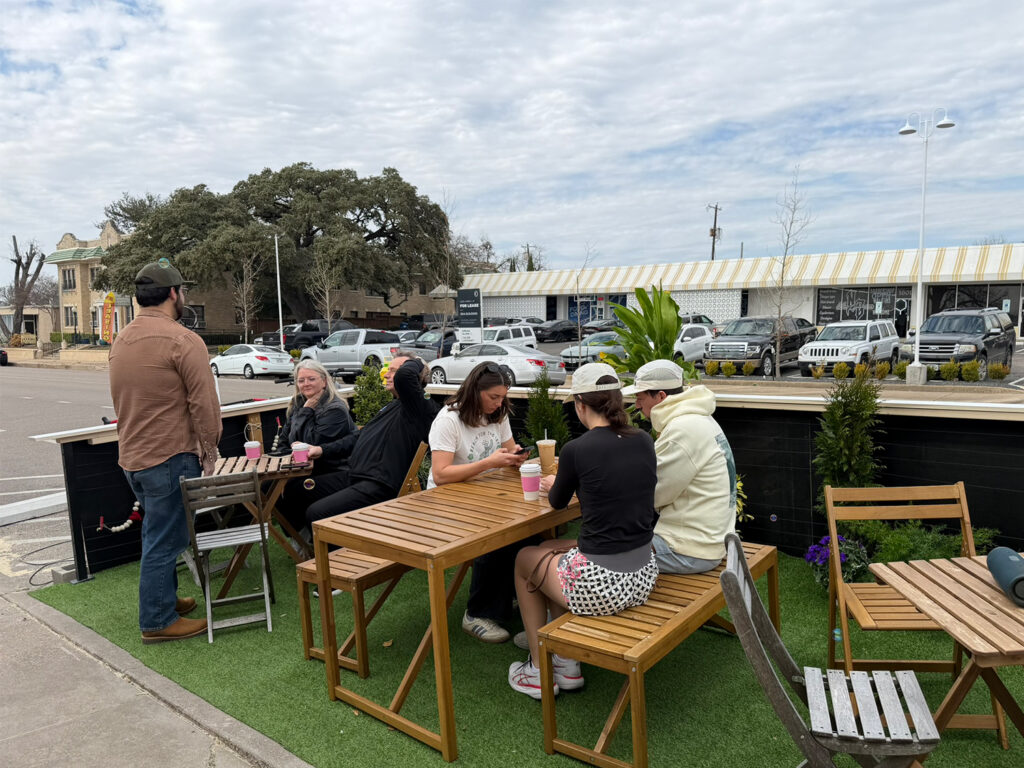
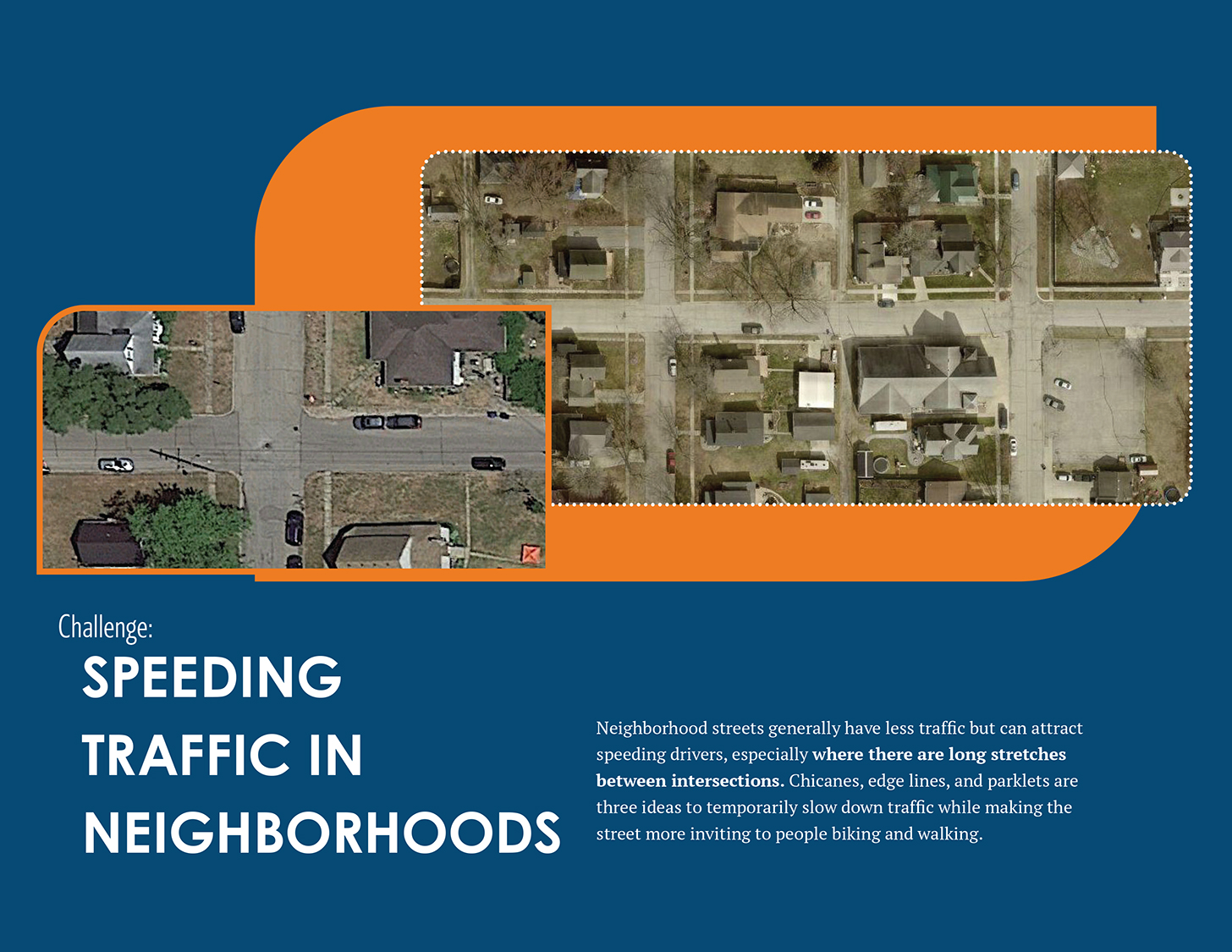
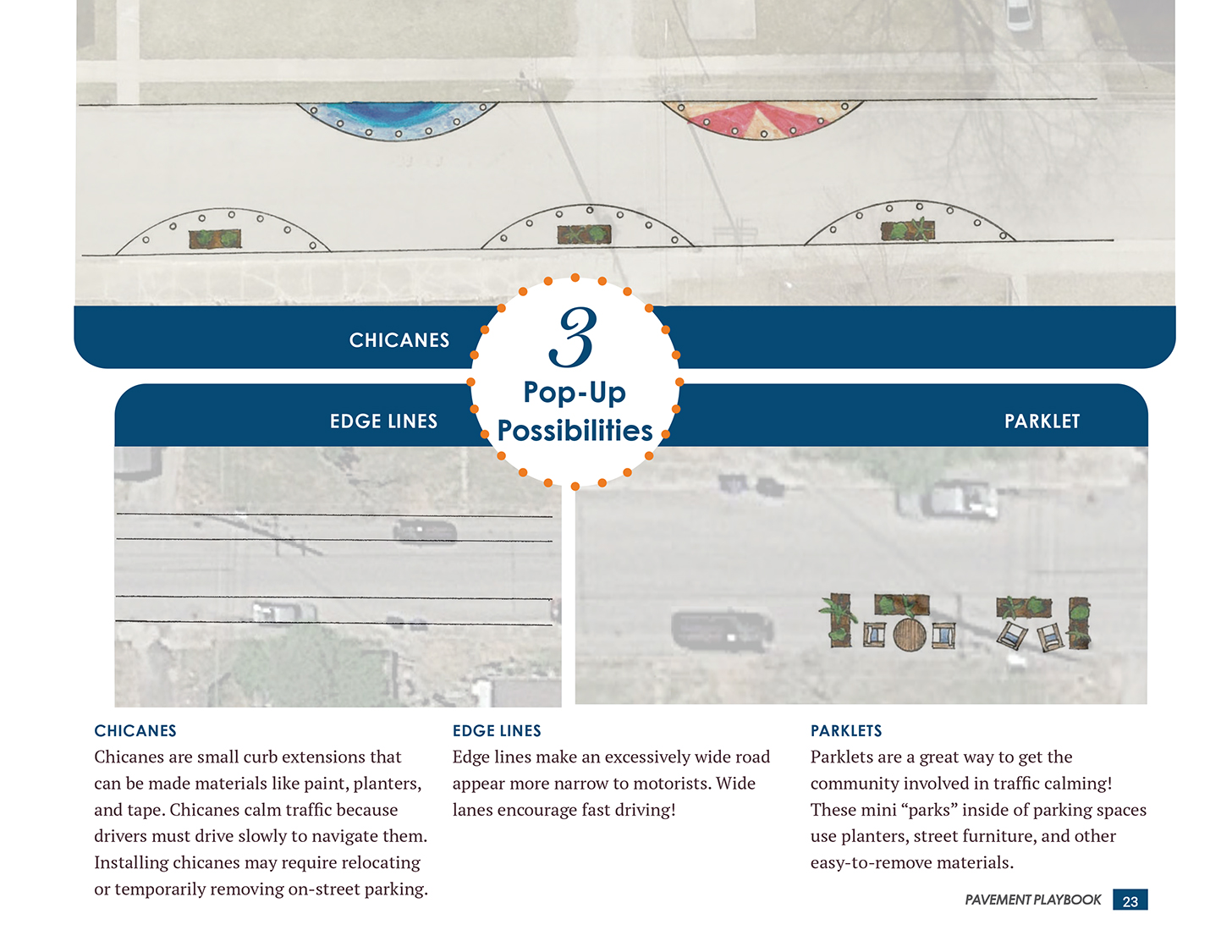
Building from their action plan, the Waco MPO’s Six to Fix project involves implementing low-cost, temporary safety improvements at six high-impact locations across McLennan County. The purpose of the project is to demonstrate proven safety strategies, gather community feedback, and share lessons learned with elected officials and local staff with the intent of widely applying these strategies across the region.
4. Set achievable goals to build momentum.
While it’s understandable to want to act with urgency to address the safety challenges on our roadways, it’s important to remember that achieving zero fatalities and serious injuries is a long game. Committing to unrealistic goals, projects, and strategies that have no hope of happening within your plan’s timeline will set your community up for failure right out of the gate. It’s good to be a little aspirational, but the focus should be on aiming for realistic and achievable milestones that build to the longer-term goals.
LESSON IN ACTION: Tigard, OR
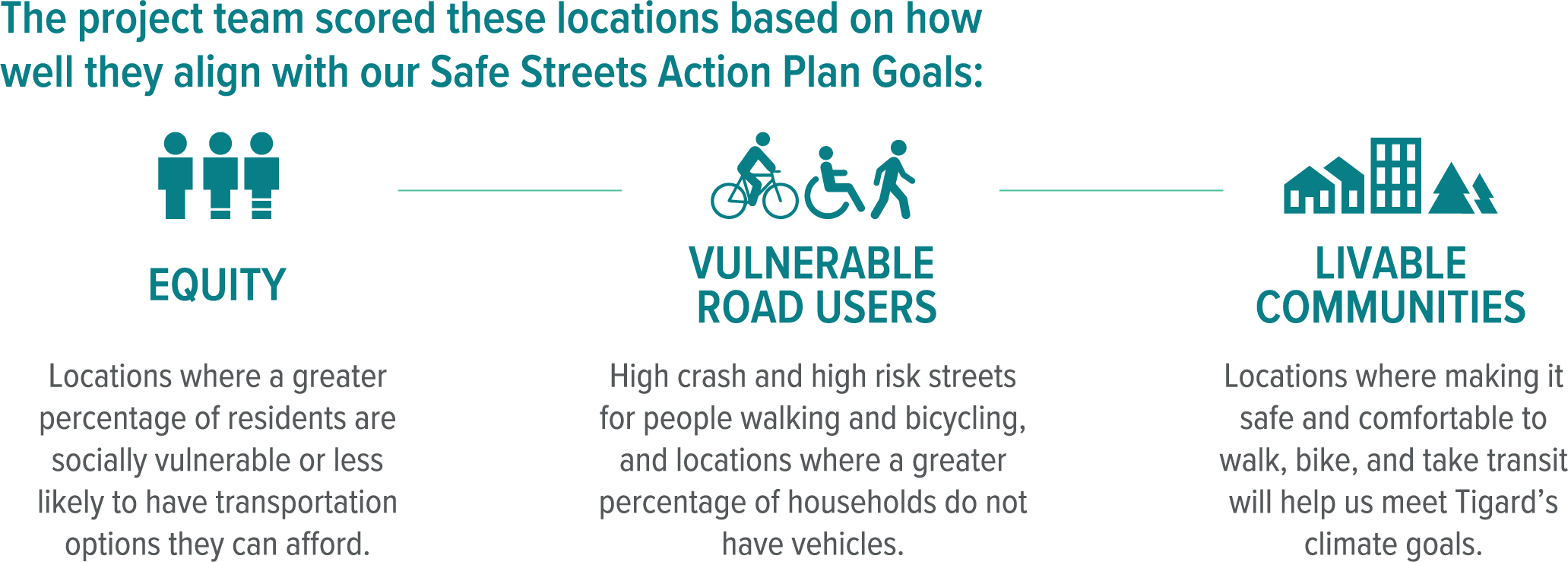
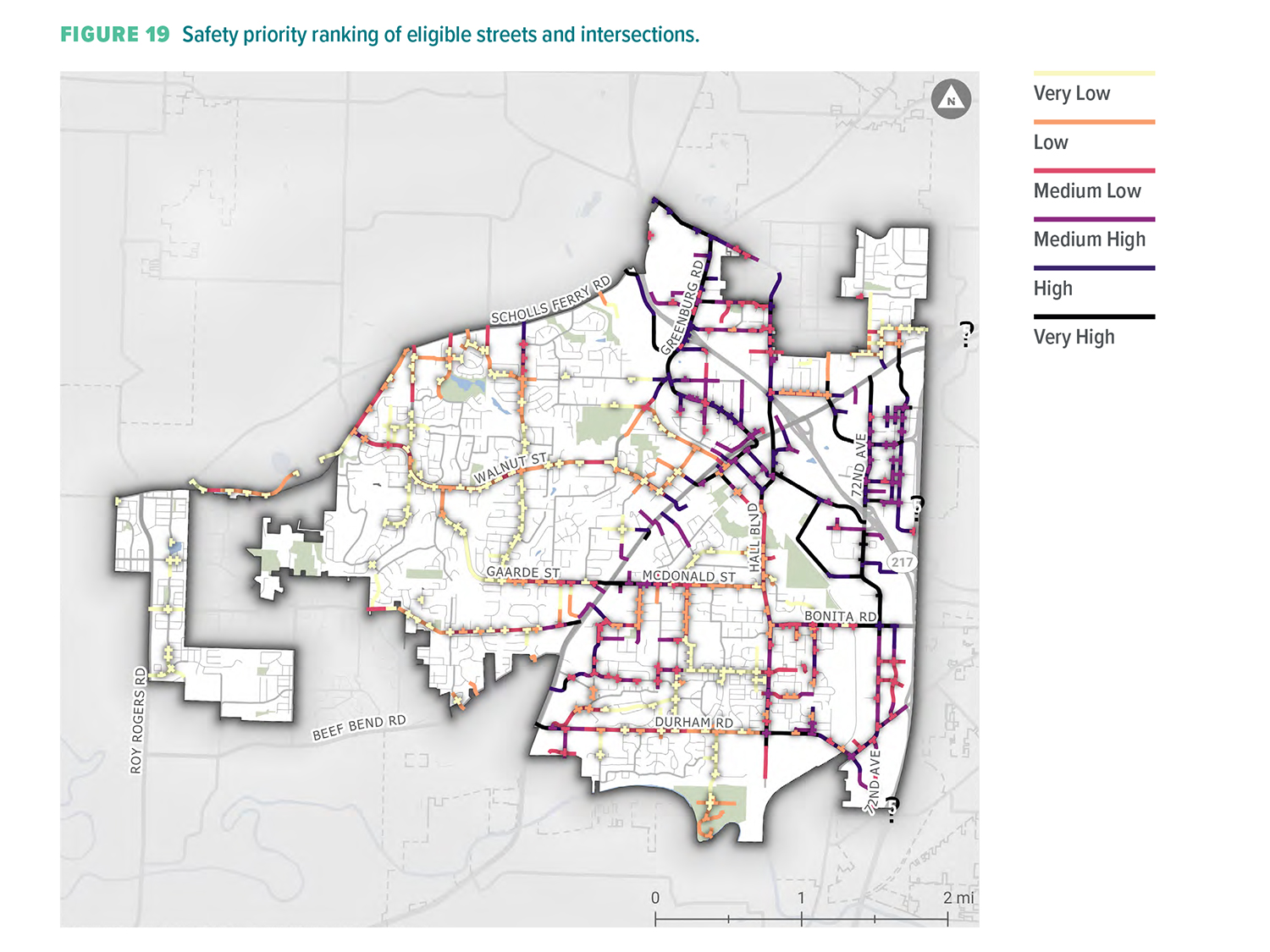
The City of Tigard’s Safe Streets Action Plan establishes a goal of achieving zero fatalities and serious injuries within a generation (twenty years). To ensure a balanced and achievable plan, we worked together to identify short-term strategies that were a relatively low level of effort, mid-term strategies that had varying degrees of effort, and just a few high-effort initiatives that would take more than five years to achieve.
5. Focus on speed.
Most of us have seen the calculation for kinetic energy in the event of a crash: KE=1/2mv2. The most critical part of that formula is v2 (velocity squared), which means that for every mile-per-hour of speed we add, the impact on injury severity goes up dramatically. Accordingly, a safety action plan’s primary focus should be on reducing speeds. This is best done in a proactive and systemic way by addressing the built environment (traffic calming, signal timing, narrower lanes, adding pedestrian and bicycle facilities) and land use and through adoption of tools such as active Intelligent Speed Assistance (ISA) on municipal fleet vehicles.
LESSON IN ACTION: Michiana Area Council of Governments (MACOG)
To improve roadway safety outcomes in northern Indiana, MACOG’s Michiana Regional Transportation Safety Action Plan emphasizes speed reduction efforts on a select number of high–priority corridors, most of which emphasize using low-cost, high-impact safety strategies that lower speeds.
Eliminating traffic deaths and serious injuries may not be easy, but it is possible. When done right, a safety action plan is a gamechanger for communities ready to make immediate safety impacts and build a long-term safety culture.